Thinking about buying in Laguna Niguel and torn between an HOA community and a no‑HOA home? You are not alone. Between the city’s hillside terrain, master‑planned neighborhoods, and mix of amenities, the choice can feel complex. In this guide, you will get a clear, local look at costs, rules, financing, risks, and a practical checklist so you can decide with confidence. Let’s dive in.
Laguna Niguel housing at a glance
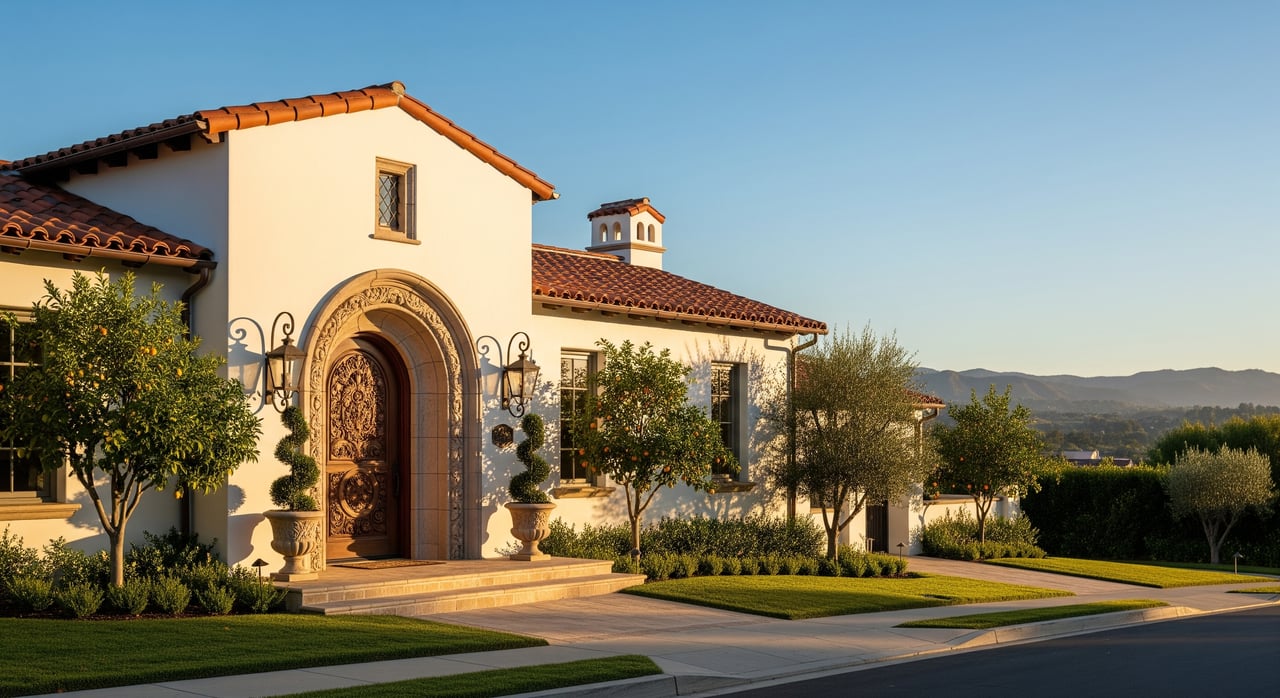
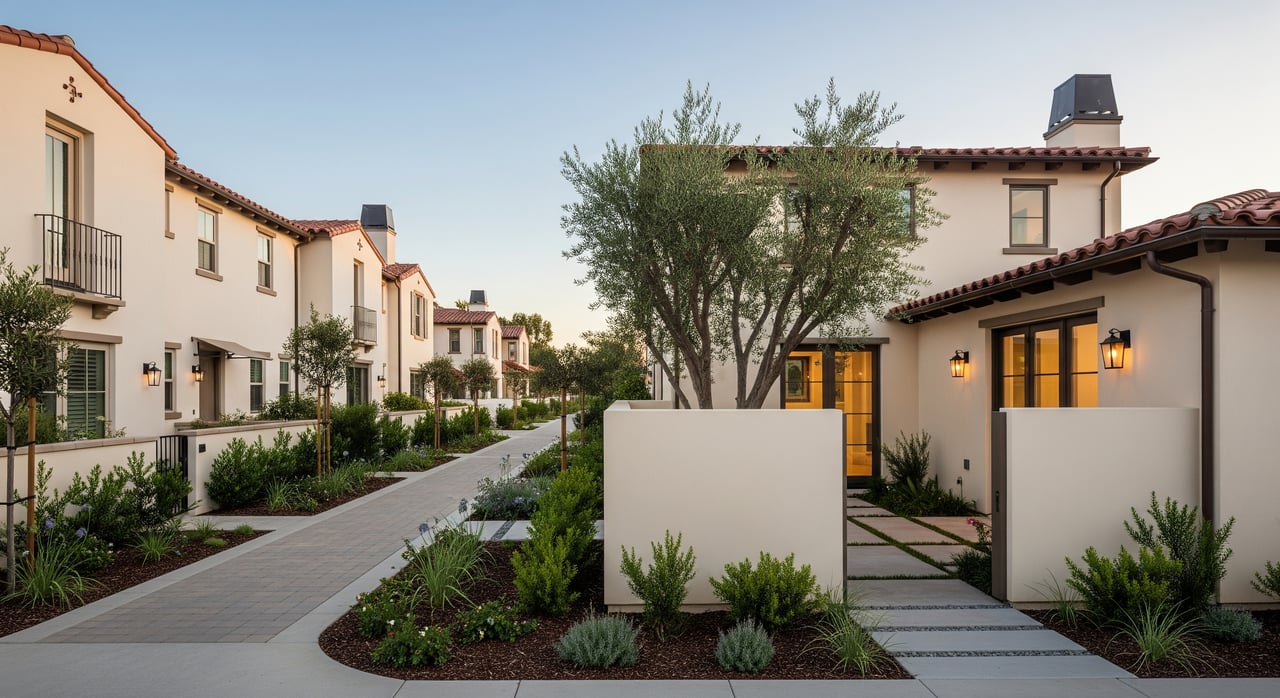
Laguna Niguel is a largely built‑out, master‑planned city with a wide range of neighborhoods. Many condominiums and townhomes include an HOA that manages building exteriors and shared spaces. Tract single‑family areas often have HOAs too, especially where there are private roads, gates, or amenities. Older or custom single‑family homes are more likely to be no‑HOA, with full autonomy over the property.
Local terrain matters here. Hillsides, canyons, and open‑space edges create unique responsibilities for slopes, drainage, and wildfire defensible space. In some HOA communities, the association handles these items, which can shift both cost and risk away from individual owners.
What HOA dues typically cover
HOA dues fund shared services, daily operations, and long‑term reserves. What they cover varies by community size, amenities, and the type of housing, but often includes:
- Exterior maintenance for common structures, and sometimes elements of building exteriors
- Landscaping and irrigation for common areas, slopes, and entries
- Pool, spa, clubhouse, and recreational facility upkeep
- Master insurance for common areas and buildings, plus liability coverage
- Professional management, legal, accounting, and administrative costs
- Reserve contributions for big projects like roofing, paving, and major systems
Dues in Laguna Niguel can range from modest amounts for small associations to several hundred or over a thousand dollars per month in communities with multiple amenities and extensive common maintenance. Because coverage differs widely, you should verify exactly what the dues include for each property you consider.
No‑HOA costs to plan for
With a no‑HOA home, you manage all exterior and site responsibilities yourself. That can mean more freedom and potentially lower recurring fees, but also more variability. Common costs include:
- Landscaping service, irrigation repairs, and seasonal clean‑ups
- Pool maintenance, if applicable
- Exterior painting, siding repairs, roofing, driveway work
- Retaining wall or slope maintenance, where applicable
- Your own property and liability insurance
If you like building your own vendor team and want direct control over materials, schedules, and aesthetics, a no‑HOA property can be a great fit. Just be sure to budget for periodic large items and unexpected repairs.
Rules and day‑to‑day experience
HOAs use recorded CC&Rs, Bylaws, and Rules and Regulations to maintain appearance and operations. Common topics include:
- Architectural controls for paint, windows, fences, additions, or solar placement
- Landscaping standards, parking rules, and storage guidelines
- Use restrictions on noise, business activities, and common area use
- Pet policies, including number and size guidelines
- Leasing rules, including limits or caps on rentals and short‑term stays
In well‑run communities, consistent standards can protect curb appeal and support values. The tradeoff is less flexibility for personal customization. If you have plans to remodel exteriors or add features, review the architectural approval process and timeline before you buy.
Enforcement, transparency, and owner input
HOA boards are elected from among the owners, and enforcement typically follows a notice and fine process. California’s common interest laws require certain disclosures and open meeting practices. You can attend meetings, read minutes, and join committees to have a voice in decisions that affect budgets, rules, and reserves. If you value a structured, predictable environment, this governance model can be a plus.
Insurance, slopes, and wildfire in hillside areas
Many Laguna Niguel neighborhoods back to open space or sit on coastal hills. That setting shapes both insurance and maintenance:
- HOAs often carry master policies for common areas or buildings. Owners still need individual policies, such as HO‑6 for condos or HO‑3 for single‑family homes, to cover interiors and personal property.
- In hillside communities, HOAs may manage shared slopes, retaining walls, and drainage channels. This can reduce individual exposure but adds to association budgets and reserves.
- Wildfire defensible space requirements can apply near open space. Clarify who handles brush clearance and how costs are shared.
For any property, verify what the association covers versus what you must insure or maintain. If there is no HOA, confirm responsibility for any adjacent slopes or drainage features before removing contingencies.
Resale value, buyer pool, and financing
HOA communities with strong reserves, good maintenance, and popular amenities often attract a broad buyer pool and can support resale values. On the other hand, very high dues, restrictive rules, high renter ratios, underfunded reserves, or pending litigation may narrow demand and weigh on pricing.
Financing can differ as well. Condominiums and planned developments may require lender project review. Associations with insufficient reserves, high delinquency rates, or active litigation can be harder to finance, especially for FHA and VA buyers. If financing matters, confirm eligibility and start lender review early in your search.
A quick decision framework
Use these prompts to zero in on the right fit for your lifestyle and budget:
- Consider an HOA if you value consistent aesthetics, shared amenities like pools and clubhouses, and predictable maintenance through pooled reserves. You will accept community rules and a monthly or quarterly fee in exchange for convenience and standards.
- Consider a no‑HOA home if you want maximum autonomy, the flexibility to customize exteriors, and control over vendors and materials. You will accept variable maintenance costs and the responsibility for large capital items on your own timeline.
- Compare total cost of ownership. If an HOA covers big‑ticket items like roofing or slope repair, dues may buy down risk and volatility. If amenities are minimal and you can maintain your own property efficiently, a no‑HOA home may pencil out.
Buyer due diligence checklist
Do your homework before you decide. Use this checklist to protect your interests.
Documents to request for any HOA property
- CC&Rs, Bylaws, Articles, and Rules and Regulations
- Current operating budget and most recent financial statements
- Recent reserve study and funding plan
- Board and membership meeting minutes for the past 12 to 24 months
- Master insurance declarations, coverage limits, deductibles, and exclusions
- List of recent or planned special assessments and capital projects
- Assessment delinquency report and collection policies
- Architectural guidelines and application forms
- Owner occupancy and rental ratios
- Pending litigation disclosures and related board resolutions
- Statement of any known violations tied to the specific unit or lot
- Management agreement and manager contact information
Questions to ask the HOA or seller
- What exactly do the dues cover, and what is the owner responsible for?
- How often are assessments due, and what are the late fee and lien policies?
- Is there a recent reserve study, and what percent of recommended reserves is funded?
- Have there been special assessments in the past five years? Are any anticipated?
- What is the current delinquency rate for assessments?
- Are rentals, including short‑term rentals, limited or capped?
- Are there rules on pets, parking, or exterior modifications that would affect my plans?
- Is there pending litigation involving the association or major vendors?
- How does the architectural approval process work, and what are fees and timelines?
- Who is responsible for slope, retaining wall, and drainage repair on or near the property?
Negotiation, financing, and contingency tips
- Make HOA document review a clear purchase contingency. Build in time to read and ask questions.
- If reserves are underfunded, major projects are coming, or litigation is active, consider a price reduction, seller credit, or holdback.
- Confirm FHA, VA, or conventional project eligibility early if you need those programs.
- Ask for an estoppel or association statement confirming current dues and any pending assessments before closing.
- Obtain insurance quotes based on actual HOA coverage and your specific property needs.
What this means in Laguna Niguel
Because many neighborhoods here are master‑planned, you will see a lot of HOA options with attractive amenities, landscaped entries, and private roads. Hillside communities often centralize slope and drainage responsibilities under the HOA, which can simplify ownership and reduce personal exposure to large repairs. No‑HOA homes, often older or custom properties, give you full control over improvements and vendors, which many buyers love. The right choice comes down to how much structure, amenity access, and cost predictability you want compared with how much freedom and hands‑on control you prefer.
If you want help comparing specific homes and associations, a local advisor can analyze dues, coverage, reserves, and project history against your budget and lifestyle priorities. With the right plan, you can choose confidently and be ready for smooth financing and a clean close.
Ready to explore HOA and no‑HOA options across Laguna Niguel with a trusted, concierge approach? Reach out to Jen Jones to compare communities, review documents, and map a clear path to your next home.
FAQs
What does an HOA usually cover in Laguna Niguel condos?
- Most include common area maintenance, landscaping, amenity upkeep, master insurance for buildings and liability, management, and reserve contributions, with exact coverage set by each community’s documents.
How much are HOA dues in Laguna Niguel?
- Dues vary widely, from smaller amounts in modest associations to several hundred or over a thousand dollars per month where there are gates, pools, clubhouses, private roads, and extensive common maintenance.
How do HOA rules affect remodeling and exterior changes?
- HOAs typically require architectural review and approval for exterior changes, with timelines, fees, and design guidelines that you should review before making an offer if you plan to modify the property.
Are there wildfire and slope risks I should consider?
- In hillside areas, defensible space requirements, slope and retaining wall maintenance, and drainage responsibilities are common; confirm whether the HOA or the homeowner is responsible and adjust your insurance and budget accordingly.
Can HOA issues impact my loan approval?
- Yes, lenders often review association reserves, delinquency rates, and litigation; projects with weak financials or active lawsuits can be harder to finance, especially for FHA and VA loans, so verify eligibility early.