Trying to decide between San Clemente and Dana Point for your next move? You’re not alone. Both offer stunning coastline, great outdoor access, and distinct communities that feel a world away from the daily grind. In this guide, you’ll get a clear, side-by-side look at price, lifestyle, commute, and practical ownership rules so you can choose the coastal fit that matches how you live. Let’s dive in.
San Clemente vs. Dana Point at a glance
| Factor | San Clemente | Dana Point |
|---|---|---|
| Median sale price (Jan 2026) | About $1.66M citywide per Redfin | About $1.995M citywide per Redfin |
| Coastal identity | Surf-forward, Spanish-village beach town with an iconic pier and long public beaches | Harbor and boating hub with marinas, whale watching, and cliffside views |
| Beach highlights | San Clemente State Beach, Pier Bowl, continuous beach trail | Doheny State Beach next to the harbor |
| Walkable core | Avenida Del Mar and the Pier Bowl area | Lantern District and the harbor promenade |
| Transit notes | I-5 access plus Amtrak/Metrolink service at San Clemente stations | I-5 access; nearest rail in San Juan Capistrano or San Clemente |
- Price data refers to Redfin city snapshots for Jan 2026. For detailed neighborhood comps, review current MLS data. For beach references, see the state park pages for San Clemente State Beach and Doheny State Beach. For harbor context, see Dana Point Harbor.
Housing and neighborhood overview
San Clemente neighborhoods
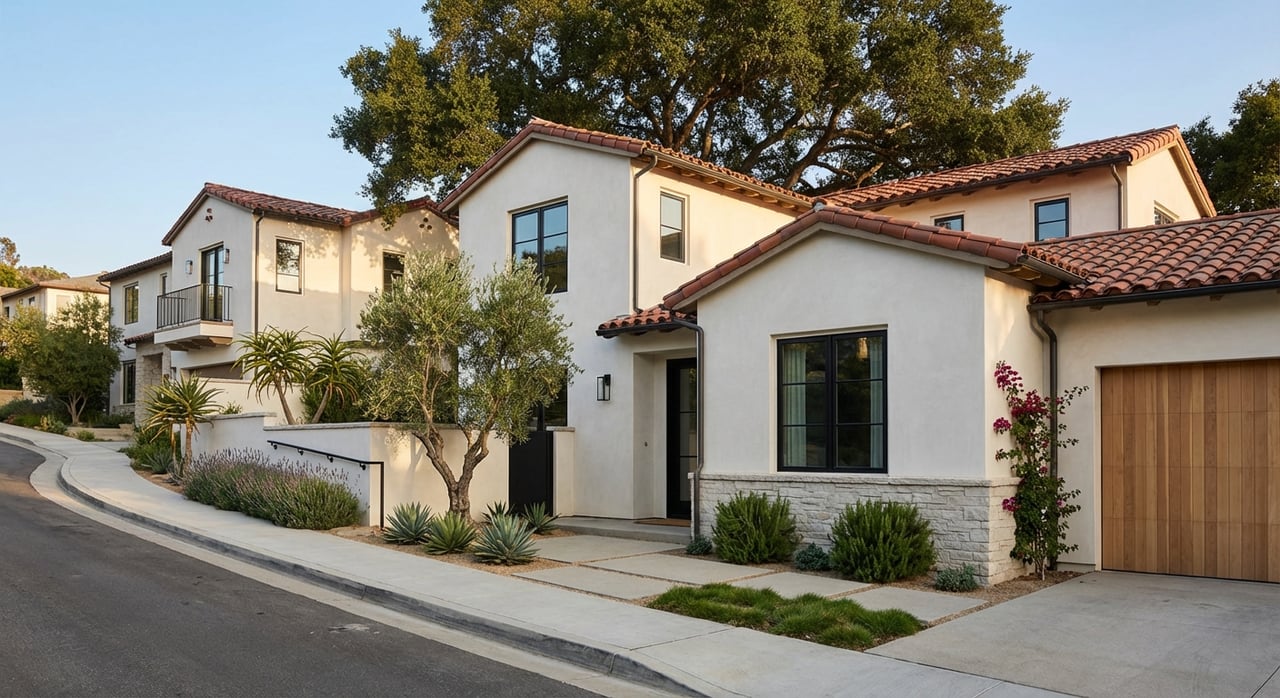
You’ll find a wide mix of homes in San Clemente, from pier-area condos and beach cottages to larger single-family homes inland. Talega is one of the city’s best-known master-planned areas a few miles from the coast, with a range of single-family options and community amenities. Learn more about Talega’s background on the Talega, San Clemente page.
Closer to the water, the Pier Bowl, North Beach, and Marblehead areas draw buyers who prioritize walkability, surf culture, and potential ocean views. Inland neighborhoods like Forster Ranch, Rancho San Clemente, and Marblehead’s hilltop enclaves often provide larger lots and newer floor plans at different price points. Citywide, Redfin’s Jan 2026 snapshot places the median sale price at about $1.66M, with variability by micro-market and home type. See the current city snapshot on Redfin.
Dana Point neighborhoods
Dana Point offers compact, walkable pockets around the Lantern District and harbor, along with dramatic bluff-top homes and private, resort-adjacent communities. Buyers often look in the Lantern Village area for a lively downtown feel near restaurants and harbor-side activities. On the higher end, Monarch Bay and Monarch Beach feature gated entries and private-amenity models, while neighborhoods like the Headlands and Sea Ridge deliver premium ocean views.
Citywide, Dana Point tends to post higher median sale prices and higher price-per-square-foot than San Clemente, influenced by harbor-front, bluff-top, and gated oceanfront inventory. Redfin’s Jan 2026 median reads about $1.995M for Dana Point. Always compare by neighborhood to see how a specific property lines up at your price tier.
Coastal lifestyle: surf vs. harbor
If you love surf culture
San Clemente leans surf-first. The city’s identity orbits the pier, T-Street, and legendary breaks nearby like Lower Trestles. The surf heritage is real here, with year-round wave-watchers and an easy connection to coastal trails and small local shops. For a sense of how central Lower Trestles is to the region’s surf community, read this overview from NBC San Diego.
If you want harbor life
Dana Point is Orange County’s boating capital. The harbor anchors daily life for many residents and visitors, with marinas, coastal dining, and a multi-year revitalization that is modernizing docks, public spaces, and shorefront retail. If you picture weekends on the water, whale-watching, or community events by the marina, start with Dana Point Harbor for the latest happenings.
Beach and park access
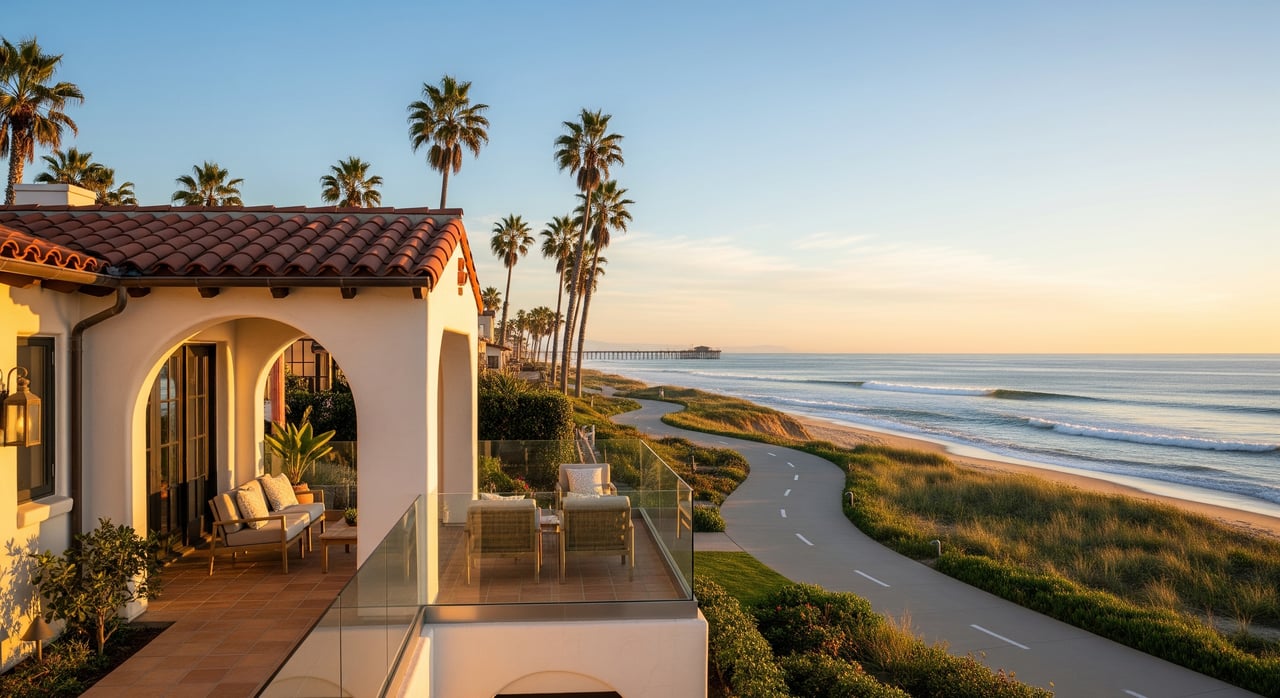
Both cities deliver excellent public beach access. San Clemente showcases a long, walkable shoreline and a rail-adjacent beach trail that strings together coves and park space. Explore the area through the San Clemente State Beach resource. Dana Point’s Doheny State Beach is a regional favorite for families and surf beginners and sits right next to the harbor.
Commute and transit
San Clemente and Dana Point both sit along I-5 and connect to the Pacific Coast Highway. According to ACS QuickFacts, average travel times to work are similar: about 28.6 minutes in San Clemente and about 29.3 minutes in Dana Point. Drive times to Irvine, Santa Ana, or Anaheim vary widely by time of day, route, and whether you use the 73 or 405 connectors.
Rail is a key difference. San Clemente has passenger rail service at the Pier and other city stations that connect to Amtrak’s Pacific Surfliner and Metrolink. If rail is part of your routine, check current schedules on the Amtrak Pacific Surfliner page and confirm station proximity to your target address. Dana Point does not have a passenger rail stop within city limits. The closest stations are in San Juan Capistrano and San Clemente.
Schools and community services
Both cities are served by the Capistrano Unified School District, which operates local elementary, middle, and high schools, including San Clemente High and Dana Hills High. If schools are a priority, confirm attendance boundaries and any transfer policies for a specific address directly with the district. Start with the Capistrano Unified School District site for official information.
Ownership rules and practical checks
Short-term rentals and occupancy taxes
If you plan to offset costs with short-term rental income, review city rules before you buy. San Clemente administers a Short-Term Lodging Unit program that allows STRs only in designated overlay areas with a license and transient-occupancy tax reporting. Read the city’s STLU operating license page for current procedures.
Dana Point requires a Short-Term Rental Permit and transient-occupancy tax remittance, along with operational standards such as local contacts and inspections. See the city’s STR and TOT guidance for permit limits and requirements. Rules and permit capacity can change. Always verify active ordinances and availability with the city.
Coastal hazards and resiliency
Coastal properties can be affected by bluff erosion, storm surge, and long-term sea-level change. San Clemente has adopted a Coastal Resiliency Plan and has studied vulnerabilities along beaches and the rail corridor. If you are considering bluff-front or near-beach properties, ask about elevation, setback history, local coastal development permits, and any shoreline projects that could influence access or maintenance responsibilities. For context, see coverage of San Clemente’s plan from the Los Angeles Times.
HOAs, private amenities, and slips
Some Dana Point communities, such as Monarch Bay and Monarch Beach, include HOAs and private-amenity models that affect monthly costs and lifestyle access. Harbor slip availability and waitlist dynamics can also shape your experience if boating is a priority. In San Clemente, master-planned tracts like Talega often include HOA dues that support shared amenities. Factor HOA rules, dues, and any club fees into your total cost of ownership.
Taxes, fees, and Mello-Roos
California’s base property tax framework is governed by Proposition 13, but local parcel assessments and Mello-Roos or Community Facilities District fees can add to your annual bill. Always request current tax and assessment statements for the parcel you’re considering.
If you care most about...
- Surf and a laid-back village feel: You’ll likely gravitate toward San Clemente’s Pier Bowl, North Beach, or nearby neighborhoods that connect easily to the beach trail and local surf breaks.
- Boating, marinas, and harbor events: Dana Point will be the stronger match, with everyday access to the harbor, coastal dining, and community programming on the water.
- A walkable main street: Both offer compact, walkable cores. In San Clemente, look near Avenida Del Mar and the Pier Bowl. In Dana Point, explore the Lantern District and harbor promenade.
- Newer homes and more space: San Clemente’s inland planned communities, especially Talega and parts of Forster Ranch, often have larger lots and newer construction.
- Lock-and-leave near the water: In both cities, pier- or harbor-adjacent condos and townhomes can provide low-maintenance living close to the coast. Compare HOA rules and dues closely.
Buyer checklist: compare like a local
Use this quick list to evaluate homes in either city:
- Confirm the neighborhood micro-market. Compare recent local comps by bed/bath, square footage, lot size, condition, and view.
- Evaluate beach and harbor access. Walk the route from the home to the shore or harbor at different times of day.
- Check commute patterns. Test-drive your likely route during peak and off-peak hours. Consider toll routes if that will be part of your plan.
- Verify rail options. If you need train access, confirm schedules and station proximity for San Clemente or nearby stations for Dana Point using the Amtrak Pacific Surfliner page.
- Review STR rules before you buy. See San Clemente’s STLU program and Dana Point’s STR permit guidance. Confirm permit caps and current availability with the city.
- Ask about coastal hazards. For bluff or beachfront properties, request any historic erosion reports, flood zone data, and details on shoreline projects. Review local resiliency context via the Los Angeles Times.
- Scrutinize HOA and club costs. Note dues, rules, special assessments, and any private club fees that affect access to amenities.
- Confirm taxes and assessments. Request a current property tax bill and check for Mello-Roos or other special assessments.
- Inspect for coastal wear. Budget for maintenance tied to salt air, sun exposure, and wind.
Ready to choose your coast?
Both San Clemente and Dana Point deliver exceptional coastal living in different flavors. If you want a surf-forward, walkable village with broad price bands, San Clemente may feel like home. If your heart is set on marinas, boating, and harbor-side dining, Dana Point will likely rise to the top. Either way, a neighborhood-level search and careful review of rules, fees, and commute realities will help you land the right fit.
If you want a calm, concierge-style process backed by local insight, connect with Jen Jones. You’ll get tailored guidance, on-the-ground comparisons, and a clear path from first tour to keys in hand.
FAQs
Is San Clemente or Dana Point more expensive overall?
- Redfin’s Jan 2026 city snapshots show San Clemente around $1.66M and Dana Point around $1.995M for median sale price, with Dana Point often higher due to harbor and bluff inventory.
Which city is better for boating and harbor access?
- Dana Point is the region’s harbor hub with marinas, events, and coastal dining anchored by Dana Point Harbor.
Do San Clemente and Dana Point allow short-term rentals?
- Both have programs that require permits and tax reporting; review San Clemente’s STLU rules and Dana Point’s STR guidance before you buy.
Are there passenger trains in both cities?
- San Clemente has Amtrak and Metrolink service at local stations; Dana Point does not have a station and relies on nearby San Juan Capistrano or San Clemente for rail access. Check schedules on Amtrak.
How long are typical commutes from these cities?
- ACS QuickFacts shows similar mean travel times: about 28.6 minutes for San Clemente and about 29.3 minutes for Dana Point, with peak traffic adding time.
What should coastal buyers check regarding erosion or flooding?
- For bluff or beachfront homes, verify flood zones, historic erosion reports, and any shoreline or resiliency projects that may affect access, maintenance, or permits.